Lexington, MA · Independent service
Wolf cooking appliances, brought back to their numbers
Ranges, wall ovens, cooktops and ventilation. Manifold pressure at the regulator, spark and flame sense on each burner, igniter draw in amps, cavity temperature across a full preheat — then a price, and then the work.
Flat $95 service call, credited against the repair once approved · phone answered 24/7
How a call runs
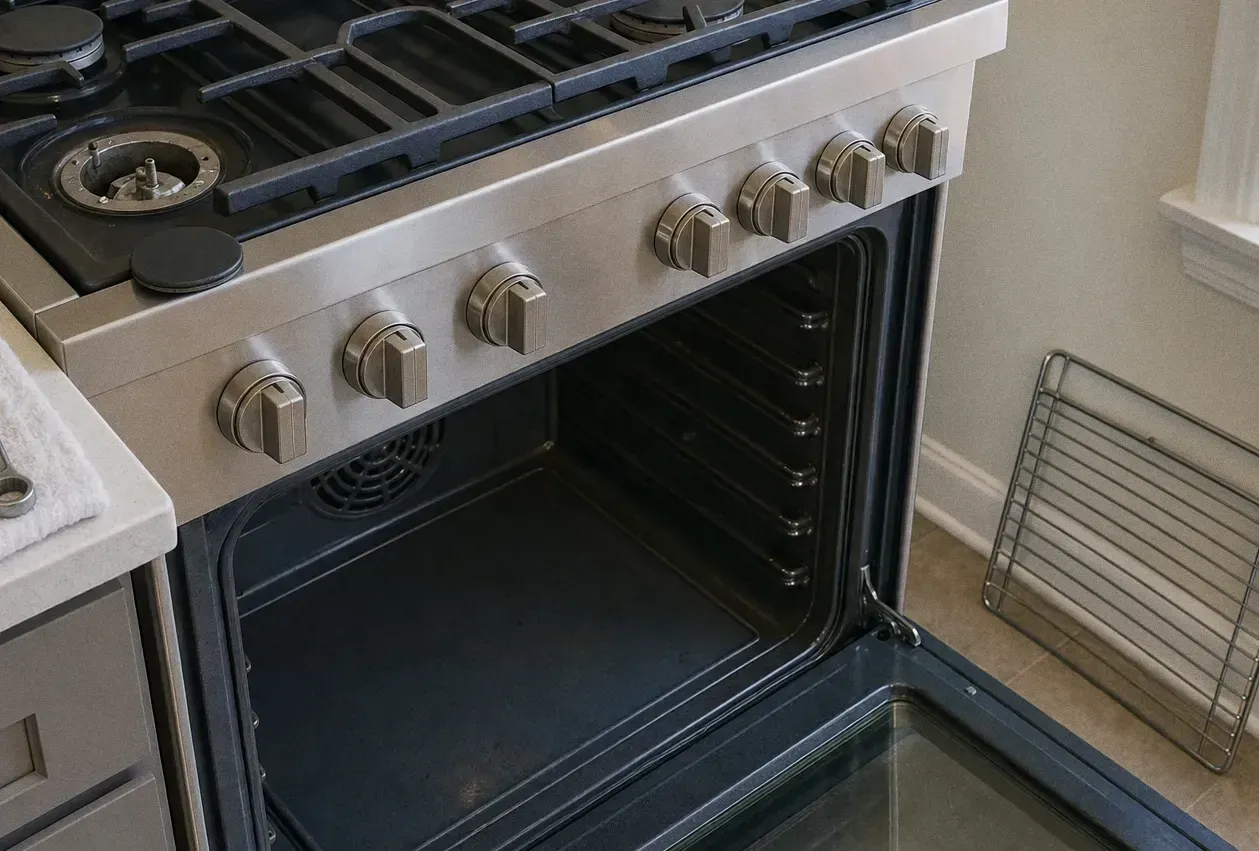
Three stages, in this order, every time
-
The model number, and the fault in plain words
The rating plate sits behind the kick panel on a range and on the frame behind the door on a wall oven. That number plus a plain description decides which igniters, modules and elements go on the van before it leaves.
-
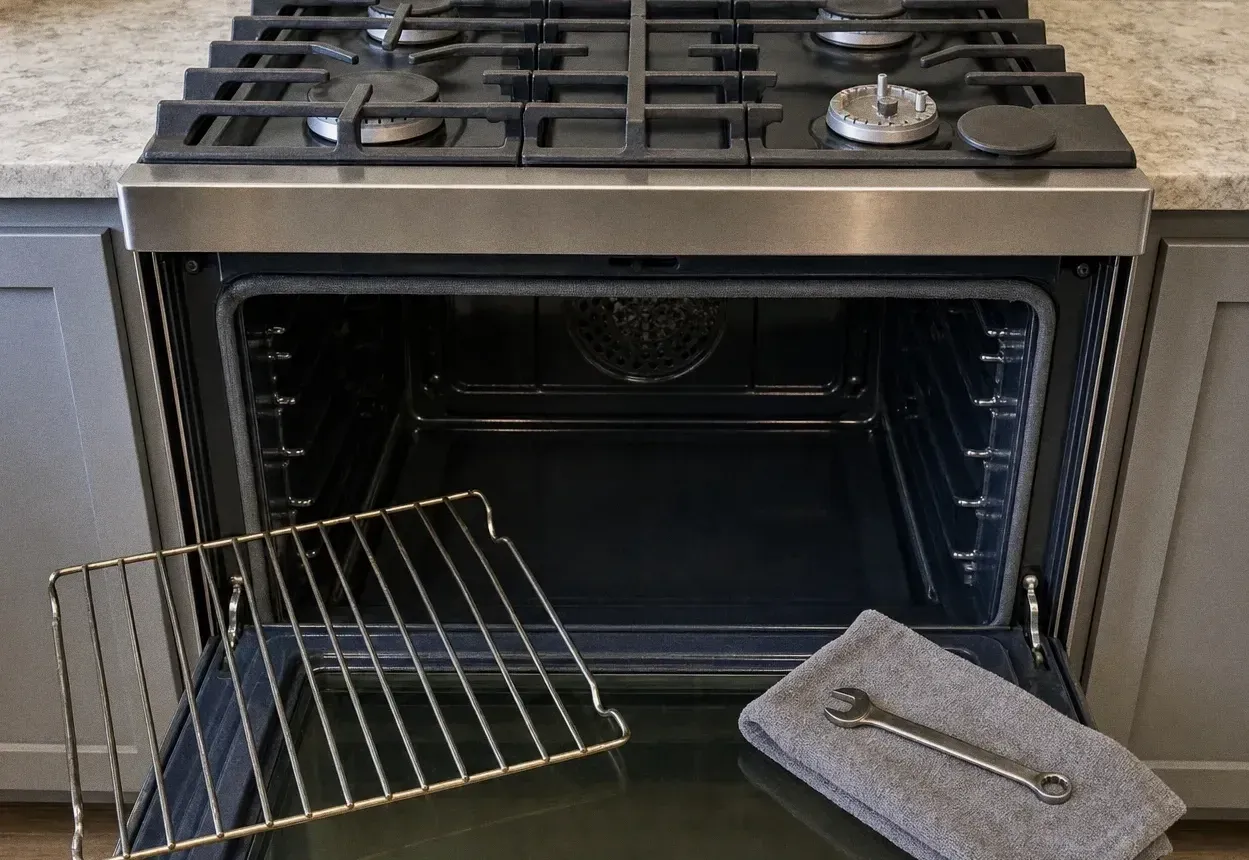
Instruments in your kitchen
Manifold pressure hot and cold, spark and flame sense on each burner, igniter draw in amps, cavity temperature against the set point across a full preheat. Readings taken and written down, not impressions.
-
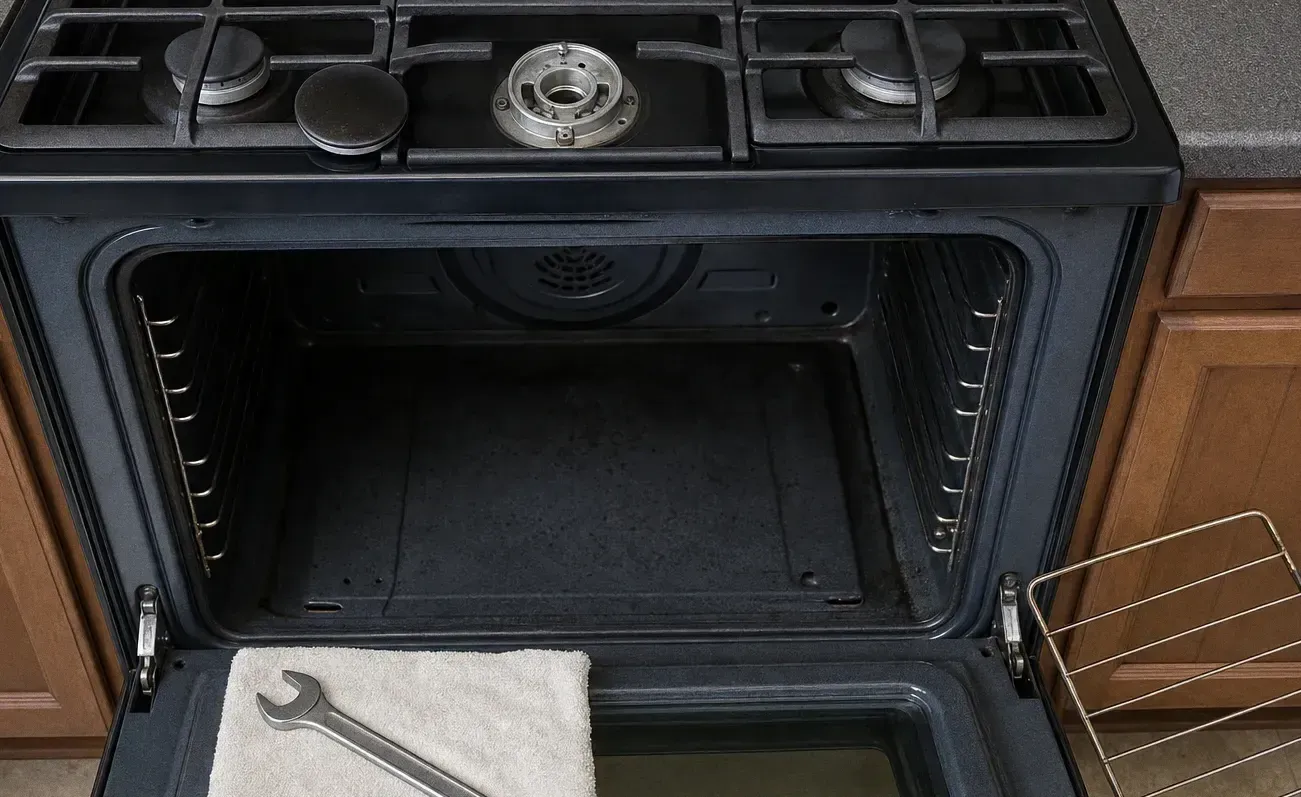
One figure, then your decision
Parts and labour quoted together with the $95 already deducted. Nothing is dismantled on the assumption you will agree, and if the repair is not worth doing you will be told so.
Standing terms
Three things fixed before anyone rings
-
Cooking appliances only
Ranges, wall ovens, cooktops and ventilation. No laundry, no refrigeration. One category means the van carries the parts Wolf cooking equipment actually fails on.
-
Gas measured at the manifold
Pressure is read at the regulator, cold and under load, on every gas call. A burner that will not light and an oven that will not hold heat frequently share one cause, and only the numbers show it.
-
A flat $95 to find out
That covers the visit and the whole diagnosis, and it comes off the repair once you approve it. Decline the repair and you have paid for a diagnosis with nothing further owed.
4.9 out of 5 · 1,275 reviews
-
5 out of 5
The charbroiler was heating unevenly, hot right at the back and barely warm at the front, so nothing came off it at the same time. He cleaned out years of build up, replaced a burner that had corroded and holed through, and levelled the whole assembly.
Marisela D. · East Lexington
-
5 out of 5
One zone would not come up to heat. The element connector had burnt at the block. Element and block replaced, and he checked the others for the same damage.
Casper M. · Bedford
-
5 out of 5
The broil element glowed at one end only. He replaced it and found a scorched connector at the rear that would have failed next, so he changed that too and explained why. Both cavities heat evenly now.
Hattie V. · Lexington Center
The round
Lexington, and the neighbourhoods either side of it
Deep colonial plans with the kitchen at the back, hillside houses where hood ducting travels through finished ceilings, and open-plan subdivisions out toward Bedford.
-
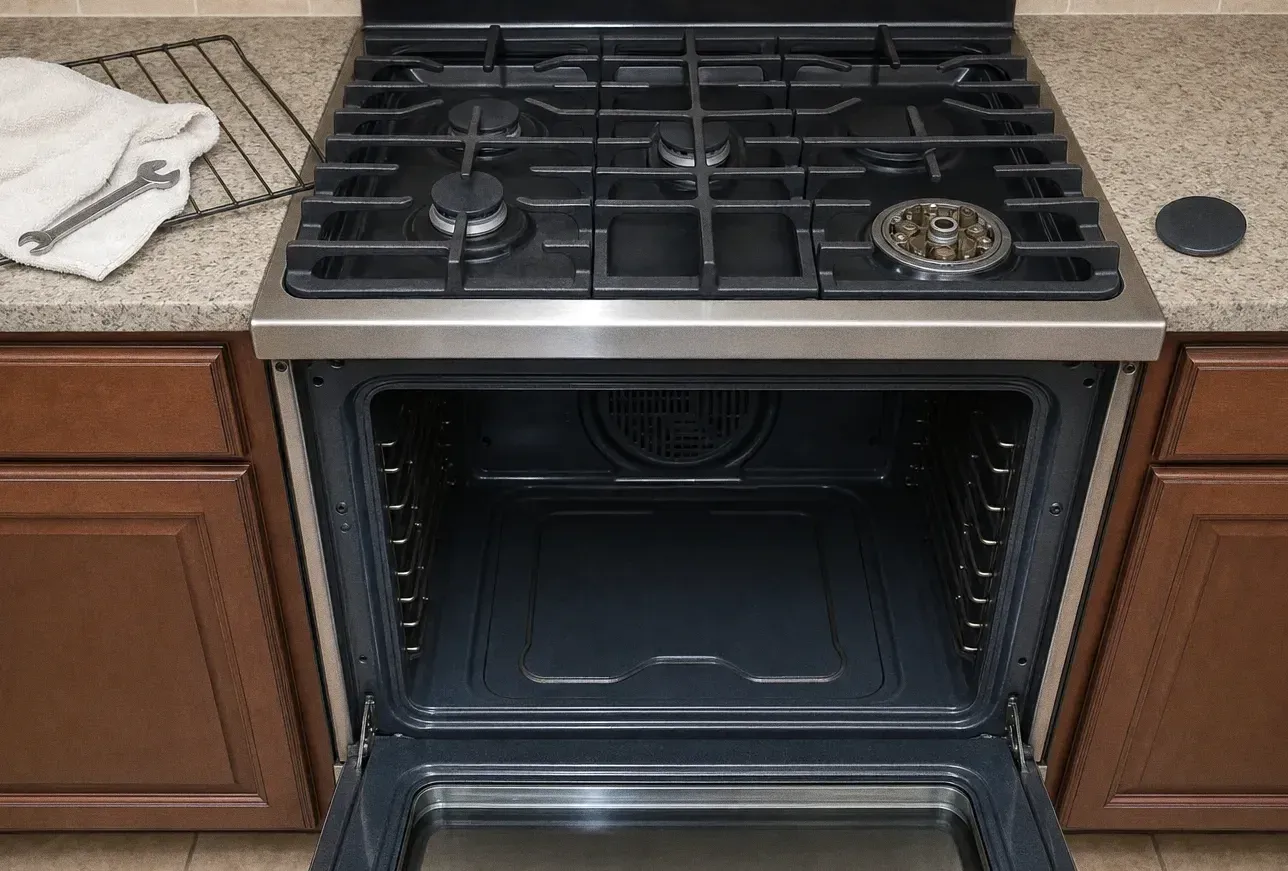 Meriam Hill 02420 Meriam Hill climbs just north of the centre, larger houses on sloping lots and an unusually eclectic mix from Shingle-style through modernist infill. Kitchens have generally been enlarged, and hood ducting often travels a long way through finished ceilings. Repairs in Meriam Hill →
 -
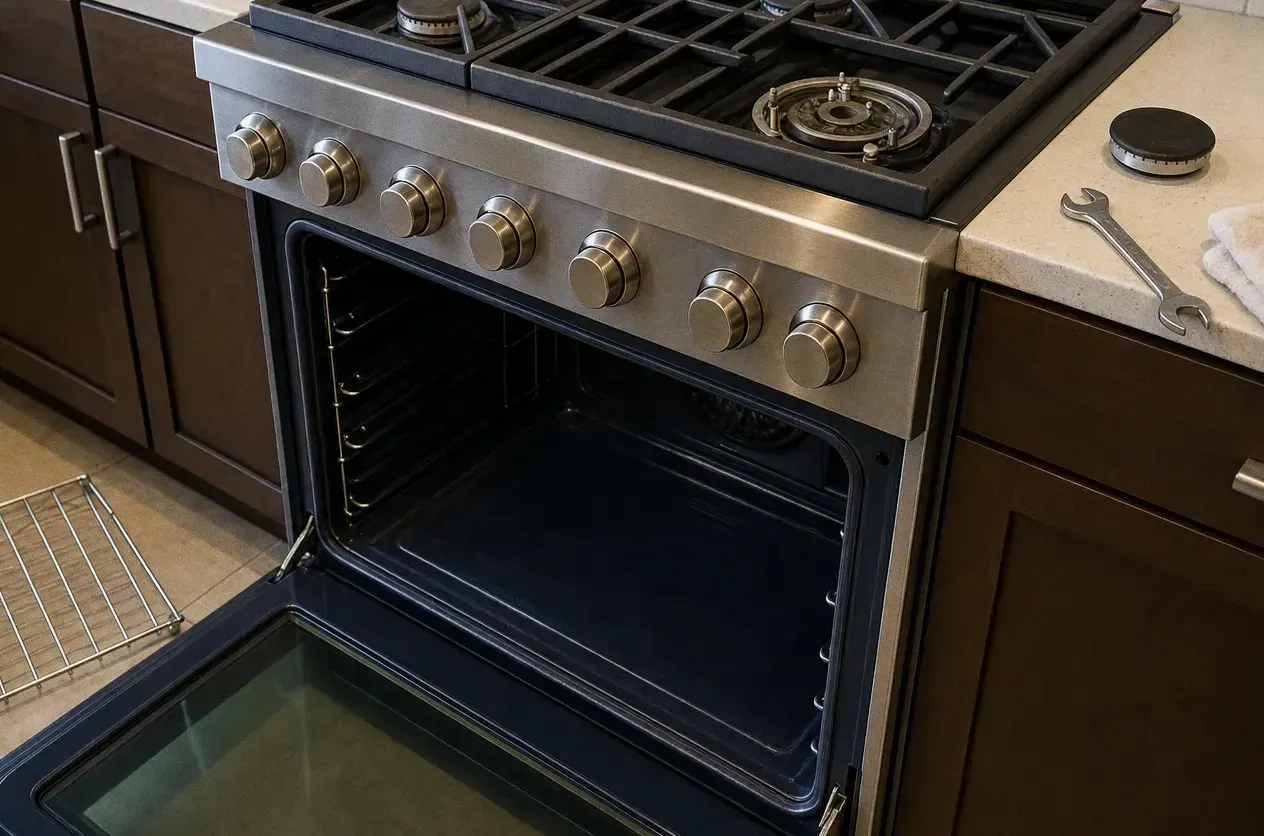 Lexington Center 02420 The centre holds Colonial and Federal-era houses around the Battle Green with Victorians on the side streets, most of them altered only from the inside. Kitchens sit at the back of deep, narrow floor plans, so a professional range usually comes in through a rear door. Repairs in Lexington Center →
 -
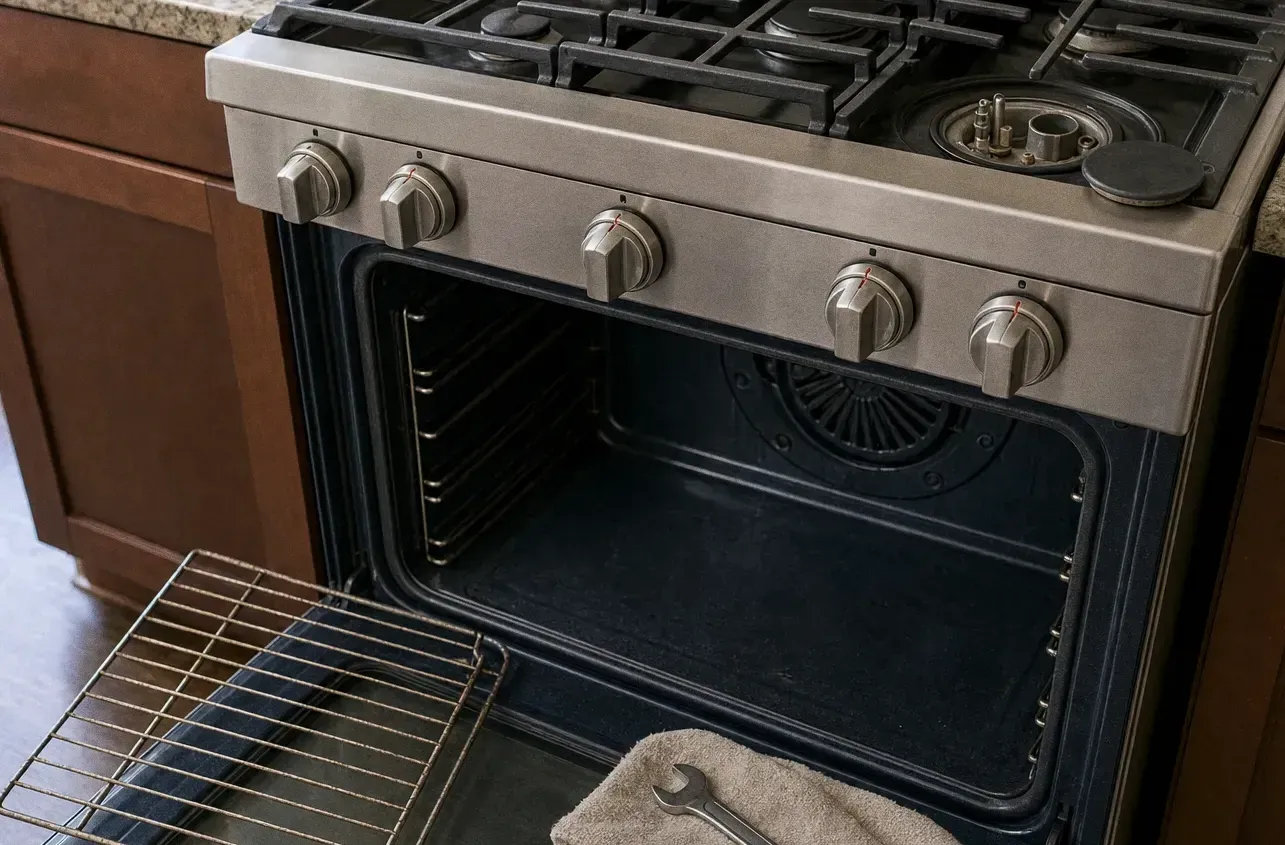 East Lexington 02420 East Lexington runs along Massachusetts Avenue toward the Arlington line, older two-storey Colonials and bungalows on tighter lots. Renovations here tend to keep the original kitchen footprint, so a wide range or hood is often a close fit between cabinets. Repairs in East Lexington →
 -
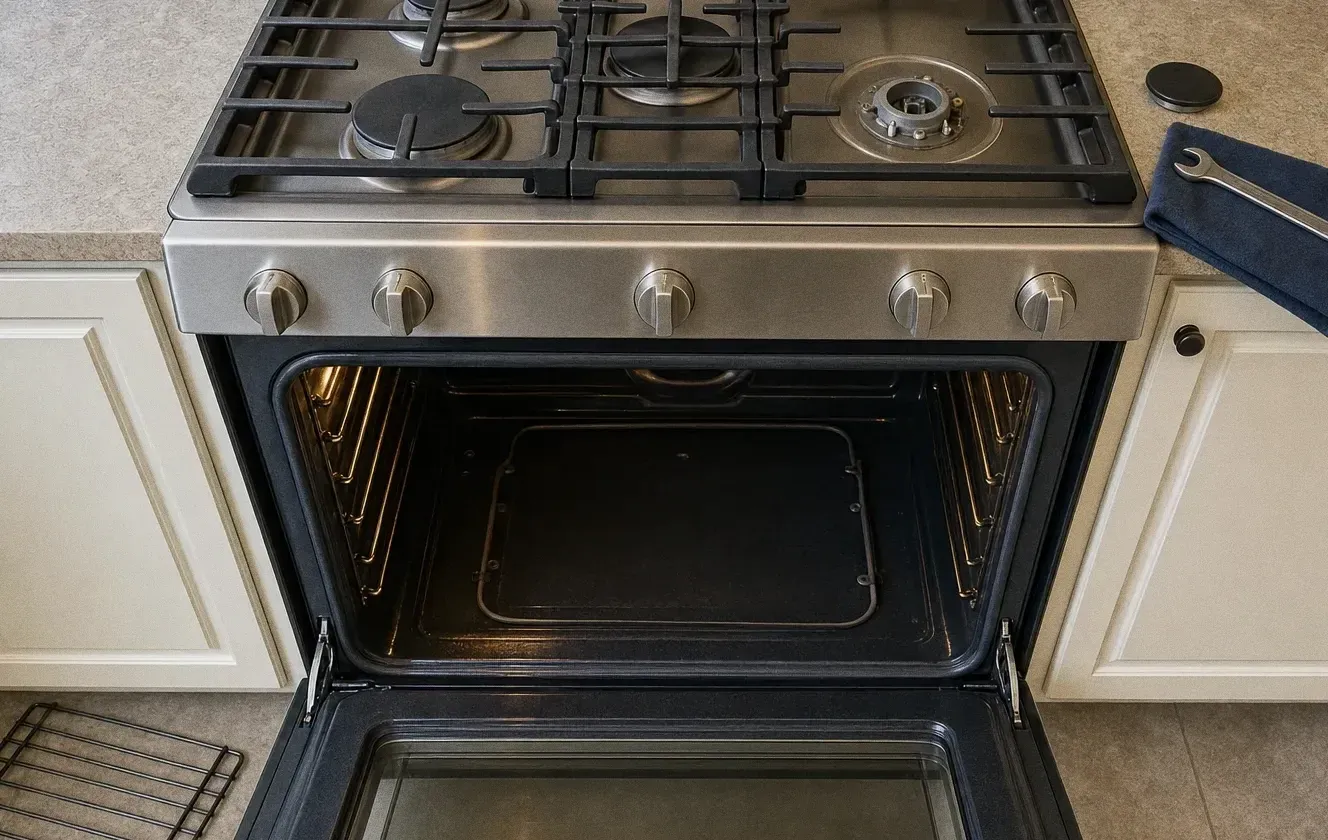 Bedford 01730 Bedford mixes antique center-chimney farmhouses along the Great Road with post-war ranches and later subdivisions off Springs Road. The newer kitchens are open-plan and typically carry panel-ready integrated refrigeration. Repairs in Bedford →
Notes
What we write up between calls
Diagnostics that repeat often enough to be worth explaining once: the difference between an igniter that has aged out and a valve that will not open, why a preheat that used to take twelve minutes now takes forty, and what an induction zone dropping out under a full pan is really telling you.
- A Wolf Burner in Lexington That Clicks Forever — Reading the Symptom 7 min read
- A Wolf Hood in Lexington That Sounds Strong and Vents Weakly 6 min read
- Why a Lexington Wolf Oven Keeps the Door Shut After Self-Clean 7 min read
The work
Four pages, one for each appliance
-
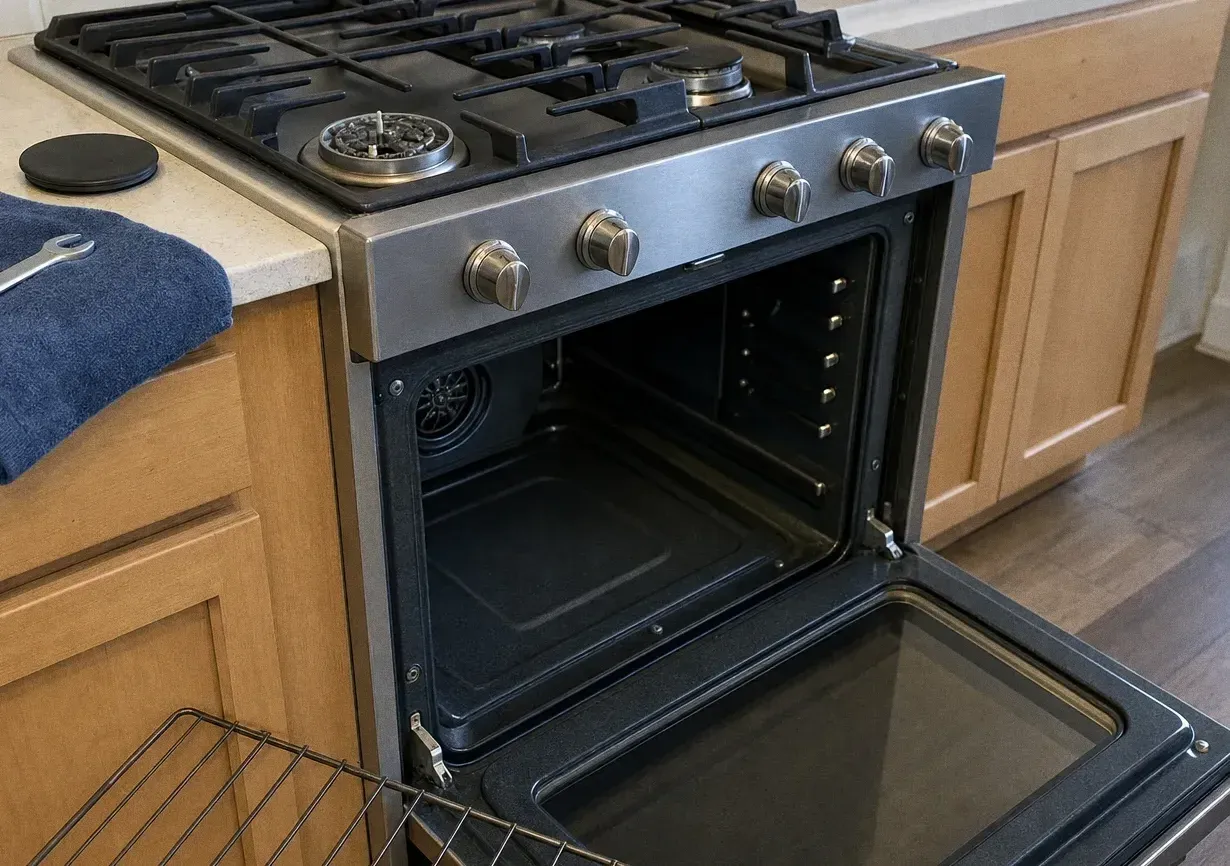 Range Repair Wolf dual-fuel and all-gas ranges are the centrepiece of most Lexington kitchen renovations. Burners that will not light, ovens drifting off temperature, failed igniters and spark modules, and control faults that leave either the top or the cavity dead are the standing work. One burner lighting while the rest only clickFlame dropping out when the knob is turned down Open →
 -
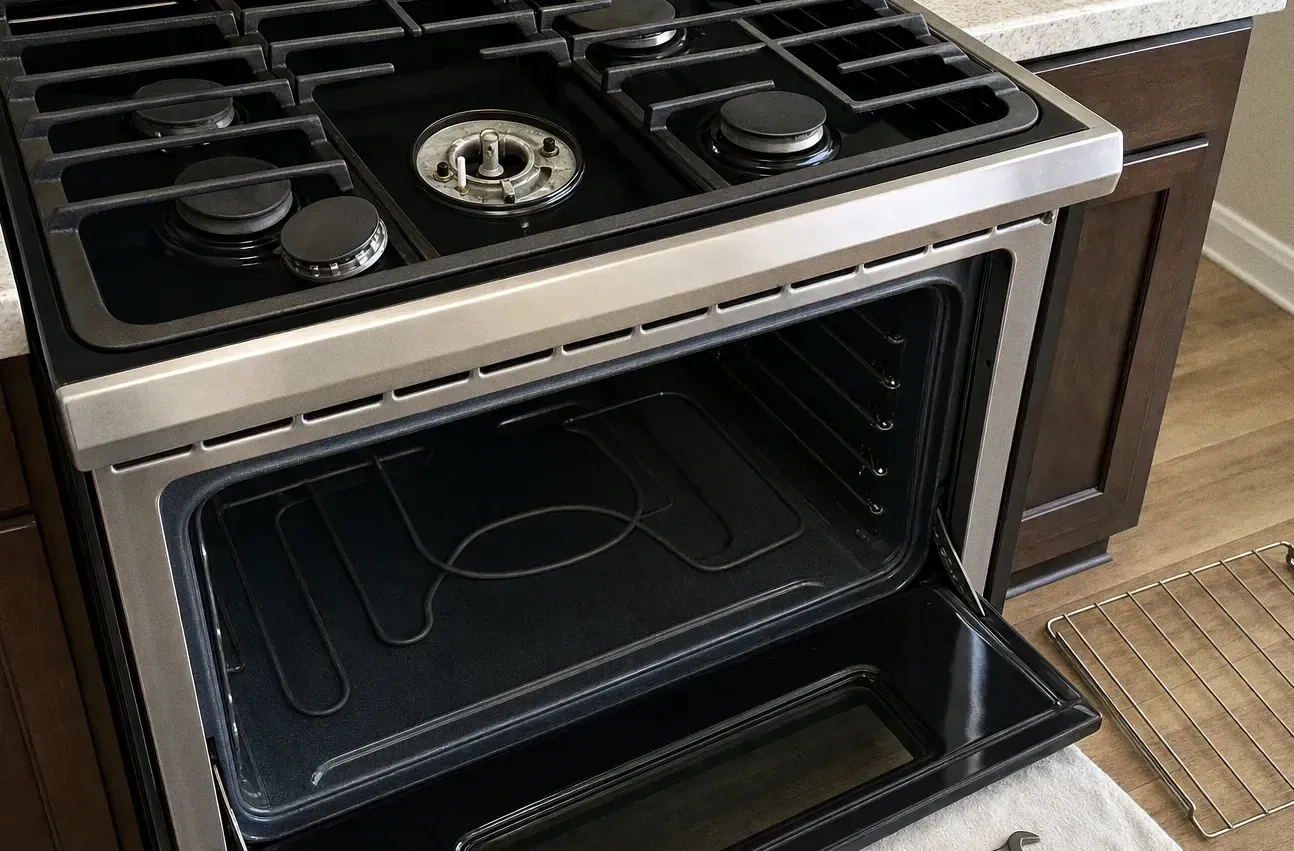 Oven Repair Built-in wall ovens and the cavities beneath Wolf ranges, single and double. Heating elements, igniters, thermostats, door hinges and cooling fans are where nearly all of these end up. Long preheat that never reaches temperatureBroil element glowing at one end only Open →
 -
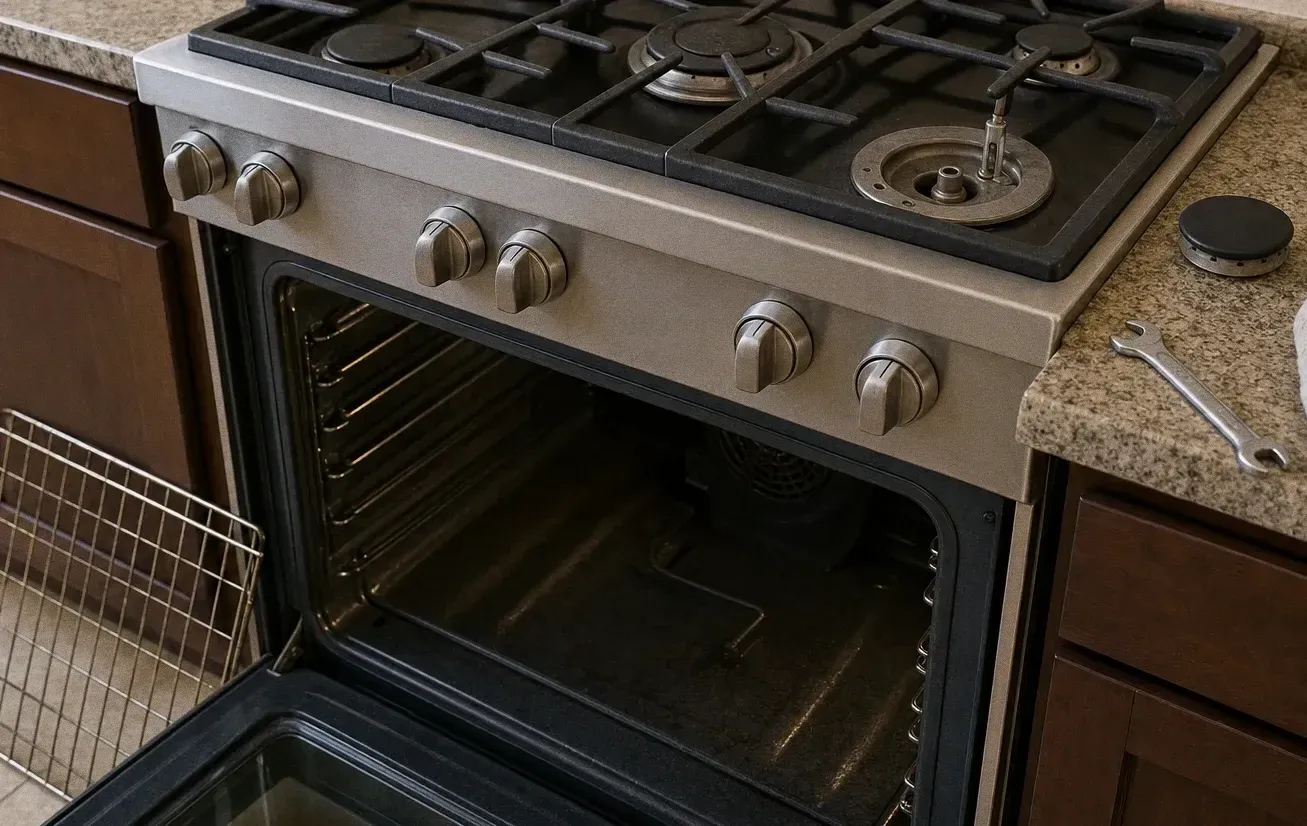 Cooktop Repair Gas, induction and electric Wolf cooktops set into island counters. Ignition faults, weak or uneven flame, induction zones that drop out under load, and cracked or unresponsive touch controls make up most of what we see. Induction zone cutting out under a full panContinuous clicking after the burner has already lit Open →
 -
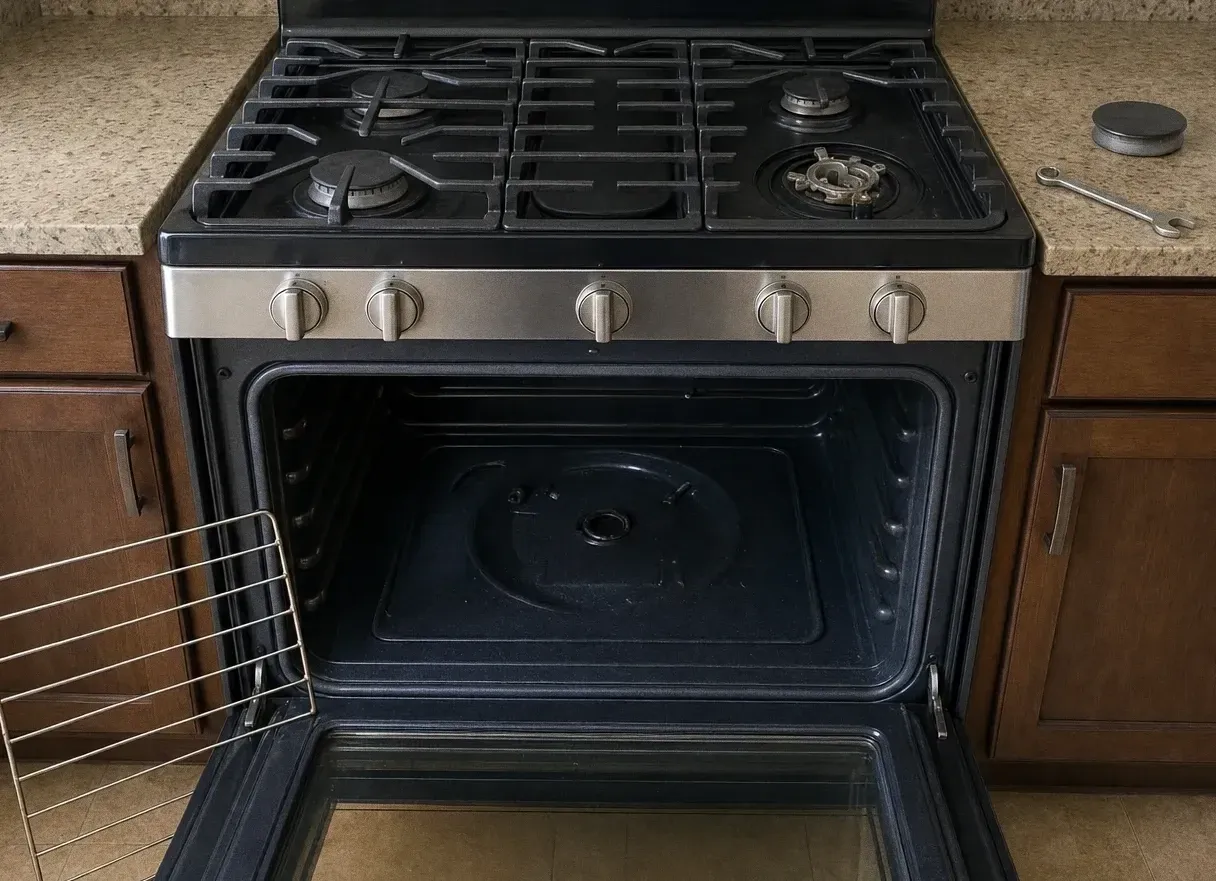 Range Hood Repair Wall, island and downdraft Wolf ventilation. Blowers that will not start, lighting failures, rattling ductwork and controls that ignore the switch are the recurring problems, usually alongside years of grease in the filters and housing. Blower humming without moving any airHood lights out or flickering Open →
Book the visit
Tell us what it is doing, and hear what it usually turns out to be.
Flat $95 service call, credited against an approved repair. Vans out 8:00 am – 8:00 pm, seven days; the phone is answered 24/7.